Strategic Typography: Leveraging Cutie Love for Brand Impact and Emotional Connection
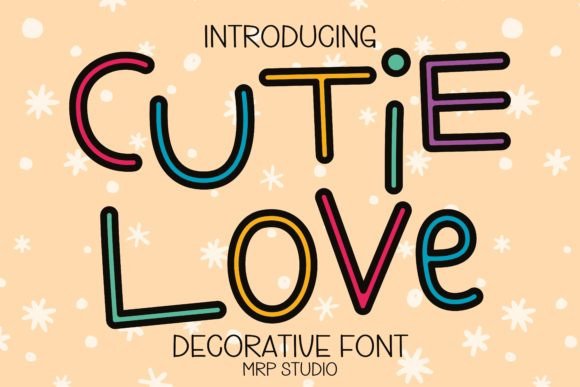
In the landscape of visual communication, typography is rarely just about legibility; it is a primary vehicle for tone, emotion, and brand positioning. Cutie Love, with its distinctively adorable and rounded font style, represents more than a stylistic choice—it is a strategic asset when deployed with intention. For entrepreneurs, educators, and creative professionals navigating a crowded digital and physical marketplace, the decision to utilize a typeface like Cutie Love should stem from a clear understanding of audience psychology and project goals rather than mere aesthetic preference.
This typeface is engineered to evoke warmth, approachability, and joy. Its structural design, characterized by soft curves and a playful rhythm, immediately lowers barriers between the communicator and the receiver. When integrated into a broader strategy, Cutie Love can transform standard communications into engaging experiences, particularly in sectors where trust and friendliness are paramount. However, like any powerful tool, its efficacy depends entirely on context. Using it without a defined purpose can dilute a message, whereas applying it strategically can significantly enhance user engagement and brand recall.
Defining the Strategic Value of Playful Typography
At its core, Cutie Love is designed to inject a bright and fun touch into projects that require a human element. In a business environment often dominated by sterile sans-serifs and rigid corporate identities, introducing a font with this level of personality can serve as a differentiator. It signals to the audience that the entity behind the message values creativity and does not take itself too seriously, which can be a compelling narrative for lifestyle brands, educational platforms, and community-focused initiatives.
The strategic utility of Cutie Love lies in its ability to soften complex messages. For instance, in educational materials or child-related projects, the font acts as a psychological cue that the content is safe, accessible, and enjoyable. This is crucial for "back to school" campaigns or learning modules where reducing anxiety and increasing excitement are key performance indicators. By aligning the visual vessel (the font) with the emotional goal (excitement/safety), creators can achieve better outcomes in user retention and participation.
Furthermore, for marketers and small business owners, this font offers a way to humanize operations. In customer experience design, touchpoints such as thank-you notes, packaging inserts, or promotional banners benefit immensely from the personal feel of Cutie Love. It shifts the perception from a transactional interaction to a relational one, fostering loyalty through subtle visual cues that suggest care and attention to detail.
Optimal Use Cases and Audience Alignment
Identifying the right context for Cutie Love is the first step in effective planning. While its name suggests a narrow application, its versatility extends across various industries provided the target demographic aligns with the font's emotional output. The following scenarios illustrate where this typeface delivers maximum return on investment:
- Child-Centric Projects: From birthday party decorations to educational worksheets, Cutie Love is inherently suited for audiences aged 0–12. It mirrors the cognitive preferences of children who respond positively to round, non-threatening shapes.
- Lifestyle and Wellness Brands: Companies selling organic products, yoga services, or mental health resources can use this font to convey gentleness and self-care, distancing themselves from aggressive sales tactics.
- Event Marketing: For weddings, baby showers, or community festivals, the font adds a celebratory layer to invitations and signage, setting a festive tone before the event even begins.
- Creative Portfolios: Freelancers and designers can use Cutie Love in personal branding elements to showcase their ability to handle whimsical and character-driven design work.
It is essential to recognize that the effectiveness of Cutie Love diminishes if the audience expects authority, gravity, or high-tech precision. A law firm, a financial audit report, or a medical warning label would suffer credibility damage if rendered in this style. Therefore, the decision-making process must always begin with an audit of brand voice and audience expectations.
Planning for Implementation and Consistency
Once the decision is made to incorporate Cutie Love, the focus must shift to execution. Random application leads to visual clutter; strategic integration leads to cohesion. A thoughtful approach involves defining a hierarchy where this font plays a specific role. It is generally most effective as a display typeface for headlines, logos, and short call-to-action phrases rather than body copy. Legibility over long passages can be compromised by its decorative nature, potentially hindering the very communication it aims to enhance.
When planning a project, consider pairing Cutie Love with a neutral, highly readable sans-serif or serif font for supporting text. This contrast allows the playful elements to stand out without overwhelming the viewer. For example, a "Back to School" supply list might feature Cutie Love for the title and section headers, while the itemized list remains in a clean, functional typeface. This balance ensures the design feels fun yet remains operational and easy to scan.
Consistency is also vital for long-term branding results. If Cutie Love becomes part of your visual identity, it should appear consistently across relevant touchpoints—social media graphics, email headers, and physical merchandise. This repetition builds recognition. Over time, the audience begins to associate the specific curvature and weight of the font with your brand's promise of joy and accessibility.
Risks of Misapplication and Lack of Context
While the benefits are significant, relying on Cutie Love without clear goals poses tangible risks. The primary danger is the trivialization of serious content. If a brand attempts to use this font to discuss sensitive topics or complex technical specifications, the dissonance between the message and the medium can confuse the audience and erode trust. It may signal a lack of professionalism or an inability to gauge the seriousness of the situation.
Additionally, overuse can lead to visual fatigue. When every element of a design screams "cute," nothing stands out. Strategic restraint is necessary to maintain impact. Decision-makers must ask: Does this specific instance require an emotional lift, or does it need clarity? If the answer is clarity, Cutie Love should likely be set aside. Understanding these boundaries is what separates amateur design from professional strategy.
Enhancing Creativity and Productivity Through Intentional Design
Beyond external communication, the use of Cutie Love can influence internal culture and productivity. For educators and team leaders, incorporating playful typography into internal memos, reward charts, or brainstorming boards can foster a more relaxed and creative atmosphere. It serves as a visual reminder that innovation often thrives in environments that allow for playfulness. This subtle environmental cue can lower stress levels and encourage out-of-the-box thinking among team members.
For bloggers and publishers, experimenting with Cutie Love in seasonal campaigns can refresh content strategies. It provides a low-cost, high-impact method to update the look and feel of a website or newsletter without a complete rebrand. By rotating this font into specific campaigns, creators can keep their visual language dynamic and responsive to current trends or holidays, thereby maintaining audience interest.
Long-Term Results and Brand Positioning
Ultimately, the goal of selecting a typeface like Cutie Love is to achieve sustainable results. In a market where consumers are increasingly skeptical of polished, corporate messaging, authenticity wins. A font that feels hand-crafted and genuine helps build that authentic connection. When used correctly, it contributes to a brand narrative that is consistent, memorable, and emotionally resonant.
Consider the long-term trajectory of your project. Will the playful nature of Cutie Love age well with your audience? For brands targeting children, the audience naturally evolves, but for lifestyle brands, the sentiment of "cuteness" often translates to "timeless charm" if managed well. The key is to ensure that the font supports the evolution of the brand rather than locking it into a niche that it may eventually outgrow.
To maximize the potential of Cutie Love, treat it as a deliberate component of your strategic toolkit. Evaluate each project's objectives, understand the emotional needs of your audience, and deploy the font where it can genuinely add value. By moving beyond random decoration and embracing intentional design, you transform a simple font file into a catalyst for engagement, loyalty, and creative success. Let this approach guide your next creative idea, ensuring that every typographic choice contributes meaningfully to your broader goals.